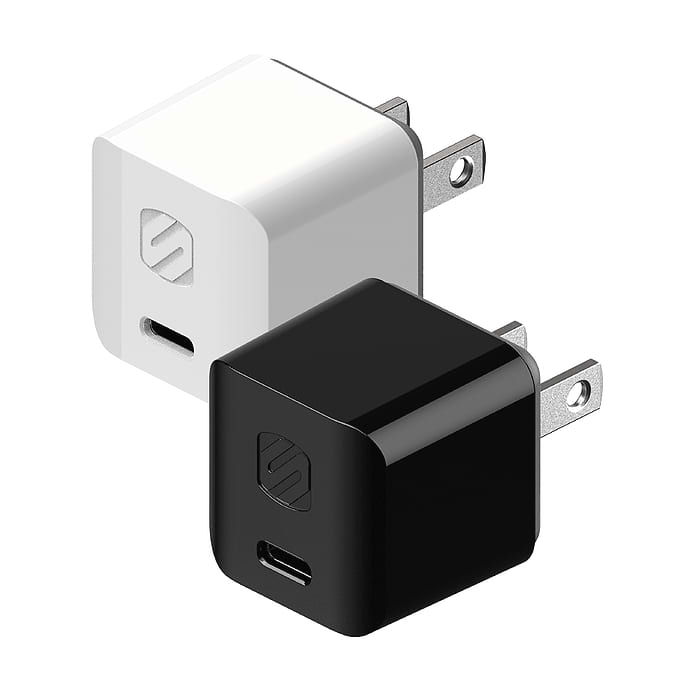
The Evolution of USB Chargers: From Standard to Super Fast
The journey of USB chargers has been remarkable, transitioning from the standard USB 1.0, which offered a modest power output of just 2.5 watts, to the robust capabilities seen in today’s fast-charging technologies. Initially designed for data transfer, early USB chargers primarily served as a convenient means to charge devices at a slow pace. This gradual evolution gained momentum with the introduction of USB 2.0, which doubled the charging capacity, allowing users to power up their devices more efficiently. However, it was the launch of USB Power Delivery (USB PD) that truly revolutionized the charging landscape, enabling rapid charging up to 100 watts and making it possible to charge not only smartphones and tablets but also laptops and other larger devices.
As we progressed into the realm of super fast chargers, features like Quick Charge by Qualcomm and Adaptive Fast Charging by Samsung came into play, pushing charging speeds to new heights. These technologies leverage smart communication between the charger and the device, optimizing power levels to ensure rapid yet safe charging experiences. Today’s USB chargers are not just about speed; they also incorporate safety measures to prevent overheating and overcharging, thus protecting valuable devices while maximizing efficiency. With the continual advancements in this technology, the future of USB charging looks promising, paving the way for even more innovative solutions that enhance user experience.
Finding a reliable way to charge multiple devices simultaneously can be a game changer, especially for tech enthusiasts and families with various gadgets. For those looking to streamline their charging setup, check out our Top 10 Multi Device Charging Stations that cater to different needs and budgets. These charging stations not only help in organizing cables but also ensure fast and efficient charging for all your devices.
How to Choose the Right USB Charger for Your Devices
Choosing the right USB charger for your devices is essential for ensuring optimal performance and safety. With various types and specifications available, it’s important to consider factors such as voltage, amperage, and compatibility. First, you should check your device’s requirements. Most modern devices come with a charger that indicates the necessary voltage and current. Using a charger that exceeds these specifications could potentially damage your device, while one that provides insufficient power may lead to slow charging times.
Another critical aspect to consider is the type of USB charger you need. There are different types such as USB-A, USB-B, USB-C, and even special fast chargers. To make the best choice, you might follow these steps:
- Identify your device's charging port.
- Determine the required output specifications.
- Select a charger that supports fast charging if speed is a priority.
Are All USB Chargers Created Equal? Understanding Compatibility and Safety
When it comes to USB chargers, many consumers assume that all chargers are created equal, but this is far from the truth. Different USB chargers can vary dramatically in terms of voltage, amperage, and design, leading to compatibility issues and potential hazards. For example, a charger designed for a smartphone may not provide enough power to charge a tablet quickly, while a higher wattage charger could potentially damage devices that aren't equipped to handle that level of input. In essence, understanding these variations is crucial for ensuring that your devices are charged safely and efficiently.
Moreover, safety is a major concern when using USB chargers. Subpar or counterfeit chargers, which may look similar to reputable brands, can pose serious risks such as overheating or electrical failures. It's essential to choose chargers that are not only compatible with your devices but also meet safety standards. Always look for certifications like UL or CE to indicate that the charger has been tested for safety. In conclusion, not all USB chargers are the same; being informed about compatibility and safety can help you make the best choice for your electronic devices.