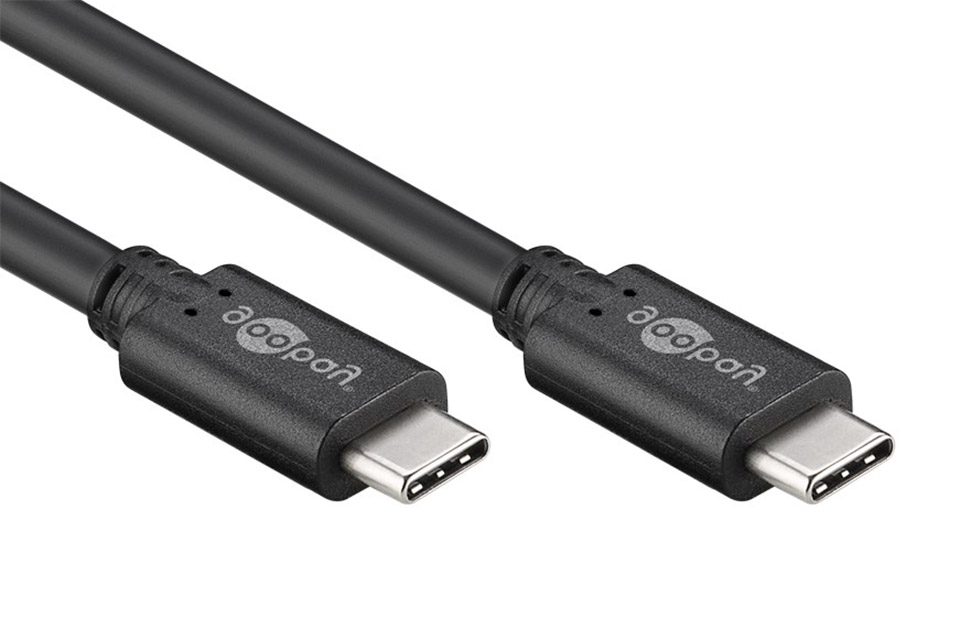
Understanding the Benefits of USB-C: Why It's Here to Stay
USB-C has rapidly become the universal standard for charging and data transfer, and its presence in consumer electronics signifies a major shift in technology design. One of the primary benefits of USB-C is its versatility. Unlike previous connectors, which were often device-specific, USB-C cables can connect a variety of devices—from smartphones and laptops to peripherals like monitors and external hard drives. This *multi-functionality* reduces clutter and the need for multiple cables, streamlining the user experience. Furthermore, with its ability to deliver up to 100 watts of power, USB-C stands out as not only a data transfer solution but also a powerful charging option.
Moreover, the USB-C connector promotes increased data transfer speeds, up to 40 Gbps with the Thunderbolt 3 implementation, making it ideal for professionals requiring fast and efficient data handling. As more manufacturers adopt this technology, the compatibility of USB-C across devices ensures that it is here to stay. According to a recent industry report, when it comes to future-proofing your tech investments, choosing devices equipped with USB-C can lead to significant long-term benefits. In conclusion, with its functionality, power capacity, and increasing adoption, USB-C is not just a trend; it’s a technological advancement that continues to shape the future of connectivity.
When it comes to fast charging your devices, having the right cable is essential. The Top 10 Fast Charging USB C Cables offer a variety of options that ensure quick and efficient power delivery. From durable designs to enhanced compatibility, these cables are crafted to meet the demands of modern electronics.
Is USB-C the Ultimate Connector for All Your Devices?
In recent years, USB-C has emerged as one of the most versatile connectors for a wide range of devices, from smartphones and tablets to laptops and even peripherals like monitors and external drives. With its ability to support high-speed data transfer, power delivery up to 100W, and video output in a single cable, USB-C is rapidly becoming the go-to choice for consumers and manufacturers alike. This universal compatibility means fewer cables cluttering your workspace and more streamlined connectivity across your devices.
However, while USB-C is often hailed as the ultimate connector, it is important to note that not all USB-C ports offer the same capabilities. For example, some ports may only support data transfer without power delivery or video output. Therefore, it is crucial for users to understand the specifications of their devices and the USB-C accessories they use to ensure they are maximizing the connector's potential. As the ecosystem around USB-C continues to expand, it is essential to stay informed about developments in technology and compatibility to fully leverage its benefits.
How USB-C is Revolutionizing Charging and Data Transfer
The introduction of USB-C has significantly transformed the landscape of charging and data transfer across a multitude of devices. Unlike its predecessors, USB-C boasts a reversible design that eliminates the frustration of plugging connectors in the wrong way. This universal port not only provides faster data transfer rates—capable of reaching up to 40 Gbps—but also supports a higher power delivery of up to 100 watts. With these capabilities, users can charge laptops, tablets, and smartphones faster than ever before, making USB-C a game-changer in both personal and professional settings.
As the tech industry continues to embrace the USB-C standard, its versatility is becoming increasingly apparent. This single cable solution allows for seamless integration across various devices, reducing clutter and simplifying users' experiences. Additionally, its ability to transmit video and audio signals enhances its functionality, making it the go-to choice for high-definition displays and docking stations. As USB-C continues to evolve, it holds the potential to consolidate charging and data transfer methods, paving the way for a more streamlined and efficient digital ecosystem.